Thinking about going vegetarian—or already rocking the plant-based lifestyle? Awesome choice! A vegetarian diet can be incredibly healthy and sustainable. But here’s the thing: without careful planning, some nutrients can be tricky to get enough of. That’s where smart supplementation comes in.
In this guide, we’ll break down the best health supplements for vegetarians, why you might need them, and how to choose the right ones—no confusing jargon, just practical advice.
1. Vitamin B12: The Non-Negotiable
If you remember only one supplement from this list, make it Vitamin B12. It’s essential for energy, nerve health, and making red blood cells. Because it’s mostly found in meat and fish, vegetarians are at a higher risk of deficiency.
Why you need it: Low B12 can cause fatigue, tingling in your hands or feet, and even mood changes.
How to get it: Look for a daily B12 tablet or a once-a-week high-dose lozenge (cyanocobalamin or methylcobalamin are both great).
2. Vitamin D: Sunshine in a Capsule
Even if you love the outdoors, it’s tough to rely solely on sunlight for your daily dose of Vitamin D—especially during winter or if you spend a lot of time indoors.
Why you need it: Vitamin D supports strong bones, a happy mood, and a healthy immune system.
How to get it: Try a plant-based Vitamin D3 (made from lichen) or D2 supplement. Pro tip: Get your blood levels checked first so you know how much to take.
3. Omega-3 Fatty Acids: Plant-Powered Brain Fuel
Omega-3s are superstar nutrients for heart and brain health. While you can get ALA (a type of omega-3) from flaxseeds, chia seeds, and walnuts, your body doesn’t convert it well into the most important forms—EPA and DHA.
Why you need it: Supports brain function, eye health, and reduces inflammation.
How to get it: Algae-based omega-3 supplements are a vegetarian-friendly way to skip the fish but keep the benefits.
4. Iron: Energy Booster
Iron carries oxygen through your blood, keeping your energy up. Plants have iron too, but the non-heme type isn’t absorbed as easily as the iron in meat.
Why you need it: To avoid fatigue and low energy.
How to get it: Eat plenty of lentils, beans, and leafy greens, and pair them with vitamin C-rich foods for better absorption. If a blood test shows low levels, talk to your doctor about an iron supplement.
5. Zinc: The Immunity MVP
Zinc is key for a strong immune system, wound healing, and even your sense of taste. Grains and legumes contain zinc, but compounds called phytates can block some absorption.
How to get it: If you’re not eating lots of pumpkin seeds, chickpeas, or cashews, consider a 8–11 mg zinc supplement.
6. Iodine: Small But Mighty
Your thyroid relies on iodine to keep your metabolism humming. If you skip iodized salt or seaweed, you might not be getting enough.
How to get it: A small potassium iodide supplement or kelp tablet can help—but stick to recommended doses to avoid overdoing it.
7. Protein Powders: For Extra Support
Most vegetarians meet their protein needs with beans, tofu, and dairy. But if you’re an athlete or just need a boost, plant-based protein powders can help.
Best options: Pea, hemp, or brown rice protein blends.
Tips for Choosing the Right Supplements
-
Test, don’t guess: A quick blood test can reveal exactly what you’re missing.
-
Quality counts: Choose reputable brands with third-party testing (look for NSF or USP labels).
-
Food first: Supplements are a safety net, not a replacement for a balanced diet.
Key Takeaway
A vegetarian lifestyle is full of health perks, but a few nutrients—Vitamin B12, Vitamin D, Omega-3, iron, zinc, iodine, and sometimes protein—deserve extra attention. With the right vegetarian supplements, you can stay energized, healthy, and thriving on plants.
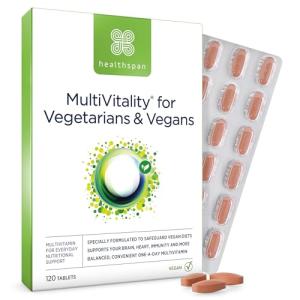
Healthspan Multivitamin for Vegetarians & Vegans, 120 Tablets | Winner Vegan Choice Awards | Promotes Immune Health & Energy Levels | Supports Bones, Teeth & Muscles | with Calcium, Iron & Zinc
Product information
$20.08 $15.06
Product Review Score
4.44 out of 5 stars
21 reviews